Fence Company Post Setup Best Practices
There's a moment that every fencing installer finds out to regard. The messages go in, the concrete is clearing up or the braces are tight, and every little thing looks solid. Then you walk the line again after the wind hits, after the ground warms, after a next-door neighbor's lawn mower runs a little too close. If the fencing holds up in those real conditions, you did it right. If it doesn't, you typically find why fast, and it is hardly ever because the rails were "installed wrong" in the easy, apparent sense.
Post installation is the component that decides whether your fence becomes a lasting backdrop or a continuous repair work project. Fortunately is that best methods are repeatable. The much better news is that they're useful, also. You can feel the distinction when the blog post is plumb, when the hole is sized appropriately for the soil, when the deepness is ideal for freeze-thaw cycles, and when the water has someplace to go that isn't inside the post.
This is an overview I wish more homeowners and even some service providers stressed. It's additionally the sort of information a serious fence company makes a track record on, since "we set articles" is not the same as "we established blog posts that last."
Start with the ground you in fact have
Most fencing failures originate from dealing with soil like an uniform product. It isn't. Clay holds water and can heave during freeze-thaw. Sandy dirt drains quickly however can break down around an improperly compressed blog post opening. Loam can vary throughout a residential or commercial property, also within a couple of backyards. And then there's the surprise things: old fill, compressed energy trenches, tree roots that loosen the subsurface, or a buried footing that makes complex the blog post depth.
Before any kind of digging, I seek hints that change how we install. Is the ground soft in one place and difficult almost everywhere else? Does water pool after rain? Do you see tiny sink factors or cracks in neighboring concrete? Those are not scholastic inquiries. They determine whether you require deeper embedment, more powerful compaction, or a different strategy such as concrete just at the appropriate places rather than everywhere.
If you're collaborating with a fence company, ask just how they evaluate dirt and frost problems. A careful team does not simply ask you for the fencing type and elevation, they ask about the area and they look at your site. When that evaluation becomes part of the workflow, the install stops feeling like a conventional layout and begins feeling like a plan.
Measure depth like it matters, due to the fact that it does
Post deepness is where a great deal of "sufficient" choices get made. Some folks think deepness is mostly regarding appearance. It isn't. The post needs adequate embedded area to stand up to uplift from wind and to stop lateral wobble. It likewise requires to survive dampness and freeze cycles.
An usual rule of thumb you'll listen to is setting articles about one third of the elevation into the ground. That can be a starting factor, however real ideal technique adjusts based on fence elevation, wind exposure, and local frost depth. In chillier regions, frost can pull on a message if embedment isn't ample. In warmer areas with extensive dirts, water adjustments can do the same thing.
Here's the compromise individuals occasionally miss out on: much deeper embedment generally indicates more digging and even more labor, however it has a tendency to decrease future movement, which conserves time later on. For homeowners, time usually costs greater than they expect. You may pay for deeper holes as soon as, then stay clear of going after a leaning line for years.
If you're not sure what depth is proper in your area, it's worth examining neighborhood requirements or asking the fence company what depth they utilize and why. You're looking for a logical explanation, not simply a number pulled from a brochure.
Hole size: as well small catches water, also huge requirements a lot more support
The post opening is the structure's structure. If you dig an opening that's as well tiny, you can't load the dirt effectively around the blog post, and you enhance the risk that the post winds up sitting in a pocket that holds wetness. If you dig a hole that's also big, you wind up with air room unless you utilize sufficient concrete or enough properly compacted backfill. Air area is where activity starts.
A practical target is an opening that offers you functioning area to place and plumb the message and afterwards load around it with regulated backfill. In many soil problems, a modest space in between the blog post and the opening wall makes compaction and alignment less complicated. In extremely loosened dirts, you may need to adjust the hole dimension or utilize an approach that supports the article without relying on loosened earth to do the task forever.
One installer method that is worth understanding: when the post is in, you ought to have the ability to check plumb at numerous points, not simply from one angle. If the blog post looks right only in one instructions, the hole shape or unequal dirt has likely required a minor bend. That bend becomes a joint over time.
Plumb and setting: the line you want to keep
Fences do not lean all at once. They wander. A post that begins with a little tilt can look penalty in the initial month, then slowly skew under wind pressure and freeze-thaw. The fix later is typically a lot more costly and less tidy than the ideal placement throughout install.
To stay clear of troubles, crews must treat alignment as a procedure, not a solitary moment. When we established messages, we check:
- Plumb at the top and midspan, not simply aesthetically from the ground.
- Line and spacing, including where the fencing satisfies a gateway or a corner.
- Height uniformity, because irregular rails make it harder for the fencing to "lock in" aesthetically and mechanically.
When a fence company is working efficiently, you'll see them make use of string lines, corner bracing, and measurements that safeguard spacing. The fencing system is only comparable to the geometry that gets set up early.
A fast narrative from a job site: we when rushed a run since the ground was rock-hard and the staff was attempting to keep the day moving. Two sections increased swiftly, messages established, rails connected. Whatever looked right. After that the following early morning the wind kicked up, and you might feel the subtle twist in exactly how the gate latch aligned. It had not been disastrous, yet it was the sort of inequality that tells you the posts were not completely supported similarly throughout the run. We corrected it, however it took more time than it would certainly have required to slow down for a cautious plumb check.
Backfill and compaction: uninteresting job that protects against wobble
The difference between a fence that stands and a fencing that slowly sways is frequently exactly how the area around the post obtains filled up. If you utilize concrete, you still intend to make sure the post is secure during curing and you desire correct mix and placement so the concrete in fact grasps and seals. If you use soil-based backfill, compaction is non-negotiable.
Loose backfill acts like a moving padding. Also if the article doesn't tilt instantly, it can compress gradually. That compression is what produces that progressive lean individuals observe months later when they recognize the rails don't line up similarly they utilized to.
If the installment makes use of concrete, ideal technique includes positioning concrete in a manner that lessens voids and makes sure excellent contact in between concrete and message where intended. If it's soil-only, best technique consists of compacting in lifts, so you're not simply "filling up the hole," you're restoring a firm substratum around the post.
Different soils respond in a different way. Clay may hold form however can create swelling and tightening with dampness. Sand might drain pipes well but can shift and collapse. That's why "use the very same backfill anywhere" is a risky presumption. A fence company worth hiring will change based upon the ground conditions, not just based upon the product they brought on the truck.
Concrete use: seal the right components, do not develop a trap
Concrete around articles is common, yet it has to be made use of attentively. One trouble installers can produce is trapping water versus the article, especially for wood blog posts. If water obtains entraped near the post product and can not drain, it speeds up rot. This is not an obscure issue. It's a noticeable failure mode.
For wood posts, what you want is usually a system that protects against straight water get in touch with and offers water a course to escape. That may mean making use of post bases ranked for ground call, leaving appropriate clearance, and guaranteeing concrete placement does not crown up around the article in a manner that maintains moisture pinned.
For steel articles, the issue changes towards galvanic corrosion and water administration, however drainage still matters. Water that sits against a message can reduce the life of bolts and can threaten finishings over time.
The finest methods below are extra about method than product. Ask the fence company what they provide for blog post bases, exactly how they handle water, and whether they make use of concrete full depth, partial deepness, or an alternate system based on dirt. If their answer is vague, that's a signal.
Bracing and curing: the moment after you think you're done
A fencing staff is lured to deal with post installation as the last crucial action, yet the period right after setting is when failures are birthed. If posts are not supported sufficiently while concrete treatments or while the backfill works out, tiny movement can lock in before the fence ever has an opportunity to end up being stable.
Bracing doesn't require to be complicated, but it does need to be efficient. Corner articles and finish blog posts are entitled to added focus since they take the greatest lots. A line message between can relocate somewhat and still seem fine. Corner posts are the anchors. If they move, the fencing line can twist, and entrances can become a negotiation.
Curing time matters. You could not trusted fencing installers need to wait days for every single fencing type, but you must stay clear of connecting hefty tension components prior to the posts are steady. Bolts mounted prematurely can pull posts off line or develop anxiety patterns that later on show up as racking.
If you're taking care of a job, don't be timid about asking, "How much time do you brace and when do you connect rails and tension hardware?" A professional fence company will have a clear workflow and a consistent method, due to the fact that they've found out the hard way that patience conserves money.
Gate posts: even more tons, more responsibility
Gates are where post errors show up initially. A basic fencing segment could endure a small wobble without apparent effects for a while. A gate magnifies pressures since it's a lever. Each time somebody opens it, the hinges use torque to the article. After that rain, wind, and daily usage develop repeated cycling.
That implies gateway posts generally need stronger embedment or extra reinforcement methods. It additionally implies positioning issues more, since an entrance that doesn't turn freely will obtain readjusted repetitively till something offers. When the article is the problem, "readjusting the hinge" develops into a loop.
Best technique for gate setup consists of cautious placement at the joint side and thoughtful supporting during install. It can additionally include making use of much heavier scale equipment and making certain eviction framework fits squarely. The article is the foundation, however the entire entrance system need to be installed as one unit.
If you're hiring a fence company, focus on just how they speak about gateway articles. Do they treat them as common line blog posts? Or do they explain that gates need added support because of load and leverage? The last is the safer sign.
Weather and timing: develop around truth, not ambition
The website conditions on installation day issue as high as engineering principles. Wet soil can be practical, yet it can likewise be as well soft for reliable compaction. Freezing temperature levels can disrupt digging and healing. Heat can dry out backfill or concrete handling promptly, which changes just how it performs.
An experienced staff sees the projection, however likewise sees the ground. If you see water facing the holes, if the soil is dismissing the opening wall surfaces, or if the article won't rest stable without shifting, that's not the minute to gain ground. The very best repair is commonly to adjust the prepare for that area, not to require the same method everywhere.
Adventurous projects have a charming side, but fencing setup is not the place for heroics. If problems are incorrect, you either transform the technique or you wait. Both alternatives are less expensive than remodeling article sets.
Common errors I've seen on actual projects
You do not discover much by reading recommendations that duplicates the fundamentals. You discover by seeing failure patterns. Below are one of the most common ones I have actually come across, in addition to what they appear like after the fact.
A fence that begins to totter generally traces back to under-supported embedment or poor compaction. Posts that slowly drift wrong frequently originate from corners or end articles that were not braced or otherwise establish deep sufficient. Wood posts that rot early usually point to water management problems, either from concrete trapping dampness, missing message bases, or poor finishes where the ground meets the wood.
Then there's the positioning mistake that appears minor during mount. If rails feel "close adequate" however the fencing isn't really right, wind lots will certainly manipulate it. Straight fencings stand up to racking forces more effectively due to the fact that their geometry isn't dealing with itself.
If you're supervising job, trust what your eyes inform you, however pair that with a couple of targeted checks. Plumb issues, but so does the consistency of spacing and height. A fence can be level-ish and still stop working since articles are not established with the right geometry.
Questions worth asking your fence company before they dig
Good hires connect. They do not hide behind lingo. They discuss their technique and their thinking, because they have actually currently internalized where issues come from.
Here are a couple of concerns that often tend to divide certain, expert crews from those that simply comply with a list:
- How do you determine message depth for my location and fence height?
- What opening size do you use and just how do you deal with variable dirt conditions?
- Do you use concrete, soil-only, or a crossbreed, and why?
- How do you keep posts plumb and straightened while backfilling or during curing?
- How do you support corners, finishes, and gateway articles, and for exactly how long?
If the responses come swiftly and make sense, you're likely managing a fence company that recognizes installment as engineering, not just labor.
A simple choice overview: concrete, soil, or hybrid
Different fencings and dirts press you toward different post methods. Concrete complete deepness, soil-only, and hybrids each have benefits and threats. The right ideal method is normally a mix of functional restraints and site-specific judgment.
Here's a quick contrast you can use while reviewing choices, not a stiff rule.
|Method|Ideal fit|Key threat if done casually||-- |-- |--|| concrete around messages (full or near full depth)|extremely loose soil, high load points like corners and gates|water capturing near timber, or gaps and inadequate consolidation if put carelessly|| soil backfill with proper compaction|steady dirt where you can achieve consistent compaction|message wobble if compaction is weak or opening size forces air pockets|| hybrid strategy (for instance, concrete near the bottom with soil over, depending upon system)|combined websites, balancing stamina and drainage|inconsistent execution if transitions between materials are not managed properly|
The key expression is "depending upon system." Some installations additionally utilize message bases, sleeves, or specialized hardware that transforms the water and deterioration formula. The very best practice is not simply the product, it's the general assembly.
Maintenance is still part of "best methods"
Even a skillfully set up fencing needs attention. Water holds your horses. Wind is consistent. Bolts age, finishings put on, and soil settles.
The finest maintenance regimens are simple and grounded. Maintain plant life trimmed back so it doesn't catch moisture at the fencing line. After heavy rains, do a fast stroll to identify any type of posts that look freshly moved. If you see a gate that begins to droop, don't await it to bind entirely. Fixing the hinge adjustment early can prevent stress and anxiety from moving into the post link points.
For wood fences, evaluate for layer failings where the fence satisfies the dirt and where the equipment creates little openings for water. For metal fences, check paint or covering chips and watch for corrosion around fasteners. None of this needs consistent interest, however it does need occasional awareness.
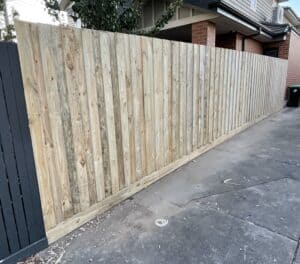
The most "daring" home owners treat fencing maintenance like a periodic examine a living system, not a duty they only do when something breaks.
Final checks that protect against the next day's headache
The last phase of an article setup is where small repairs repay fast. When blog posts are set, the fence company should validate alignment and make sure the blog post tops, rails, and any tension parts are worked with. The fence must not rely on later modifications to repair positioning mistakes that could have been remedied at set time.
Before staffs conclude an area, I such as to see them verify:
- corners are braced and steady, not just "set and really hoped"
- gates swing freely without binding against the posts
- rails line up continually, especially at joints and transitions
- any concrete or backfill is finished cleanly so water drains away rather than pools
If you're the house owner, it's sensible to walk the line as quickly as the day finishes while whatever is still fresh. Seek subtle shifts in spacing or height. If something feels off, it's far much easier to adjust while the work is still in progress than after the following stage has actually secured the fence right into place.
Fence installment is among those trades where the information really feel unnoticeable till they're not. The very best practices for blog post installment are generally a philosophy: regard the ground, set the structure with treatment, handle water, support throughout activity danger, and verify alignment before the fence carries load. When those elements integrated, your fence quits being a job and ends up being a result you can lean on for years.
Ends · JAIDENFENCE-CONTRACTORMZEJ597